

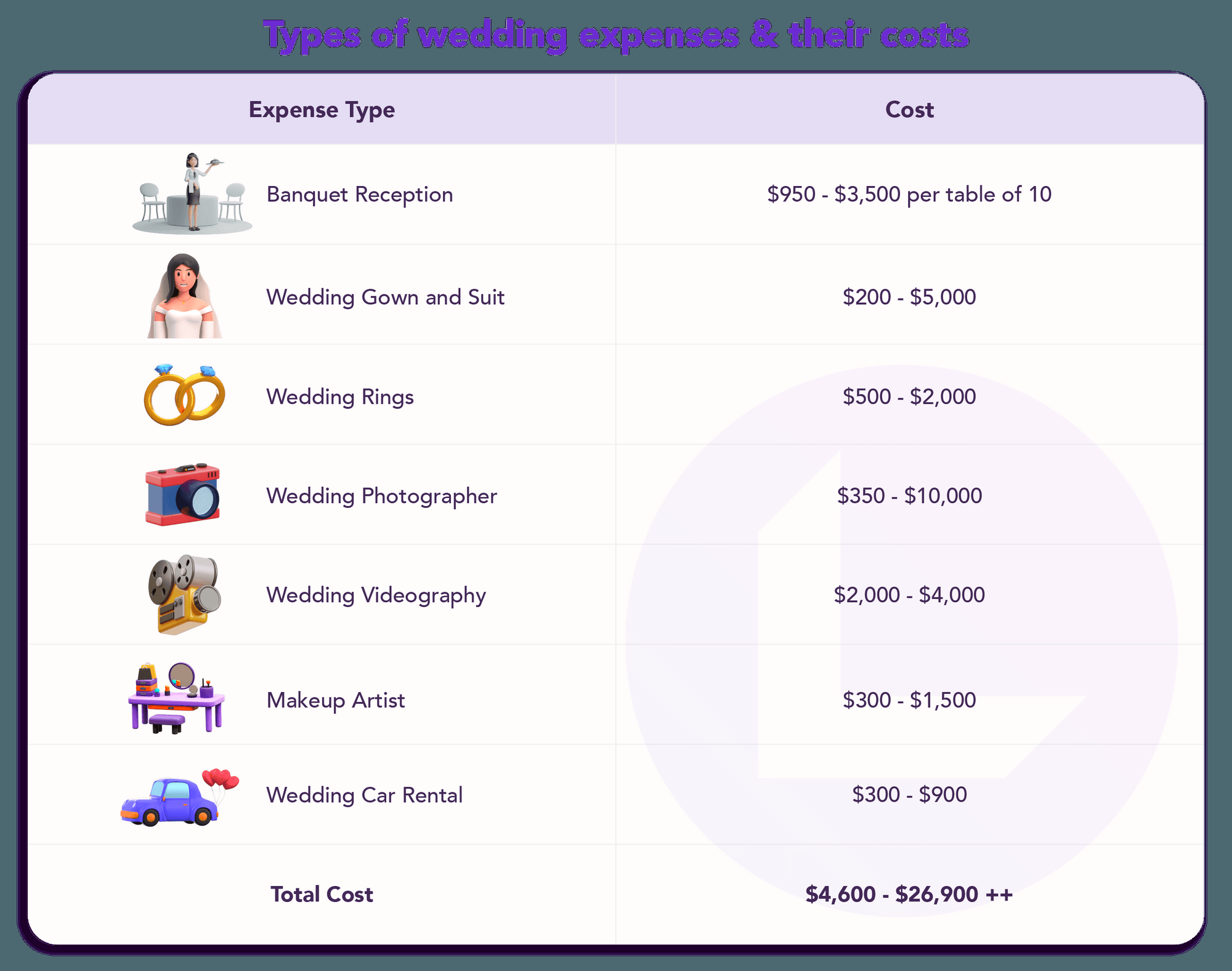
Most people see a wedding as a celebration of a lifelong commitment. For the modern couple, however, it often looks more like a high-interest transaction disguised as a party. They treat a single day of champagne and small talk like a massive financial milestone, similar to buying a house, but they forget that the marriage starts long after the caterer is paid. Borrowing against a future that hasn’t happened yet is a quick way to end up with an expensive divorce.
The logic just doesn’t hold up. A personal loan isn’t free money; it’s a slice of next year’s income that you’re eating today. Once the honeymoon phase ends and that first monthly installment hits, the reality of the debt sets in. A designer gown or a specific floral arrangement doesn’t feel nearly as good when you’re staring down a mounting balance.
Financial stability is a much better foundation for a marriage than vintage linen tablecloths. Still, the pressure to host a grand event is hard to ignore. We’ve reached a point where the wedding spectacle matters more than the welfare of the people getting married. If the goal is to start a life together, why start it in the red?
The Mechanics of Borrowing for a Party
Personal loans are the main tool for anyone refusing to scale back their guest list. Unlike a mortgage, which is secured by a house, a personal loan is usually unsecured. This means the lender is banking on your salary. If you fail to pay, they might not take your home immediately, but they’ll certainly take your credit score and your peace of mind.
Money enters the wedding ecosystem in a few different ways. Some couples go the traditional bank route, which requires a solid payment history and decent income. Others look for more flexible, more expensive options. If your credit isn’t perfect, you might end up researching wedding loans with bad credit to fill the gap left by low savings. It’s a risky move that usually leads to much higher interest rates.
Take Julian and Sarah, for example. They wanted a destination wedding in a coastal town. It sounded romantic until the invoices for the venue and flights actually arrived. They took out a personal loan to cover the difference, thinking they’d pay it off in months. Instead, they spent three years paying it back. That meant their first real attempt to save for a house was delayed indefinitely. They weren’t just paying for a party; they were paying for the delay of their actual life.
Lenders check a lot of things before they hand over cash. They want to see your debt-to-income ratio and how much credit you’re already using. If you already have a car loan and student loans, adding a wedding loan makes you a risky bet. This is how people get stuck in a cycle of borrowing just to afford the things they thought they could handle.
| Loan Type | Security | Speed | Cost Factor |
| Traditional Bank Loan | Unsecured | Slower | Moderate |
| Credit Card Balance | Unsecured | Instant | High |
| Peer-to-Peer Lending | Unsecured | Moderate | Variable |
The Hidden Price of Aesthetic Perfection
The wedding industry is built to make you feel like anything less than perfection is a failure. Every vendor finds a way to make “standard” options sound inadequate. It’s a psychological trap. You aren’t just buying flowers; you’re buying an atmosphere. You aren’t just buying food; you’re buying a “culinary experience.” Those are very expensive words.
When you use a loan to fund these “experiences,” you’re essentially paying interest on a meal that lasts twenty minutes. The math is terrible. If you borrow $5,000 for a premium bar package at a high interest rate, you might end up paying back $7,000 just to watch people drink expensive gin. Is a specific cocktail worth three years of financial tightening?
The pressure often comes from the guest list. Every relative feels entitled to a seat, and many couples feel obligated to feed everyone they’ve ever met. It becomes a performance for an audience that might not even notice the difference between the premium and standard catering. You are paying to put on a show using money you don’t actually have.
Budgeting is often treated like a dirty word in wedding planning. Couples want to talk about color palettes, not line items or interest accrual. But a budget is the only thing that keeps the dream from becoming a nightmare. Without a hard cap on spending, a personal loan quickly grows from a small bridge into a massive hole in your financial future.
Interest Rates and the Long Tail of Debt
Debt isn’t static; it has a tail. A wedding lasts one day, but the interest on the loan can last for years. People rarely think about this when they’re looking at glossy wedding magazines. They see the pictures, but they don’t see the monthly statement that arrives every thirty days for the next forty-eight months.
The type of loan you choose dictates how long that tail is. A fixed-rate loan offers some predictability since you know exactly what you owe every month. However, if you go with a variable-rate loan, you’re at the mercy of the market. If interest rates rise, your wedding becomes more expensive every month. You’re essentially gambling on the economy to keep your marriage solvent.
Credit cards are the most common trap. It’s easy to swipe a card for a photographer’s deposit or a venue fee. Those small amounts add up fast. When the bill is due, most people can’t pay it all off at once. That’s when compound interest kicks in, turning a weekend celebration into a permanent monthly line item on your bank statement.
Ask yourself: do you want your first major shared financial decision to be a negotiation over how to pay off wedding debt? Money is one of the biggest causes of friction in early marriage. Starting that journey with a heavy load of consumer debt is like trying to run a marathon with lead weights tied to your ankles.
- Fixed-rate personal loans offer stability but lack flexibility if you find extra cash.
- Variable-rate loans can be cheaper initially but carry significant long-term risk.
- Credit cards offer immediate gratification but are the most expensive way to fund an event.
- 0% APR introductory offers are tempting but require disciplined repayment before the period ends.
The Social Cost of Financial Stress
Money is rarely just about the numbers; it’s about the emotions tied to them. When a couple is stressed about money, it colors everything. An argument that should have been about where to eat dinner becomes an argument about the wedding loan payment. Resentment builds quietly, then explodes over something trivial.
There’s a specific anxiety that comes with knowing you’re living beyond your means. It’s a low-level hum of dread in the background of every conversation. You look at your partner and, instead of seeing a teammate, you see the person who agreed to the $200-per-plate dinner. It’s a subtle, destructive shift.
A wedding is meant to celebrate a union, but debt often acts as a wedge. A “perfect” wedding can leave you feeling empty if the price was your peace of mind. Many people find that the stress of the loan actually overshadows the wedding day itself. They aren’t present in the moment; they’re mentally calculating the cost of the centerpieces.
Then there’s the social dimension. People often feel judged if they don’t have a lavish wedding, viewing a small affair as a sign of failure. That’s a false narrative. The only real failure is starting a life together in financial instability. A simple ceremony that leaves your bank account intact is a much better way to celebrate a new beginning.
If you’re looking at personal loans for wedding expenses, try a “no-spend” month for all non-essential items before you sign anything. It’s a good reality check on your spending habits and can often reveal enough savings to avoid the debt altogether.
Good to know
Can I use a personal loan to pay for wedding expenses?
Yes, personal loans are unsecured loans that can be used for any legal purpose, including wedding costs like venues, catering, or attire.
Is it a good idea to take out a personal loan for a wedding?
It depends on your budget; while it can cover immediate costs, you should only borrow what you can afford to repay to avoid long-term debt.
What are the typical interest rates for wedding personal loans?
Interest rates vary based on your credit score, income, and debt-to-income ratio, typically ranging from low fixed rates to higher variable rates.
How much can I borrow for wedding expenses?
Loan amounts generally range from $1,000 to $50,000, depending on the lender's terms and your financial profile.
How does a wedding loan affect my credit score?
Applying for a loan may cause a minor temporary dip due to a hard credit inquiry, but consistent, on-time repayments can help improve your score over time.
Leave a Comment